Husky Grooming: Manage the Shed and Keep the Natural Coat
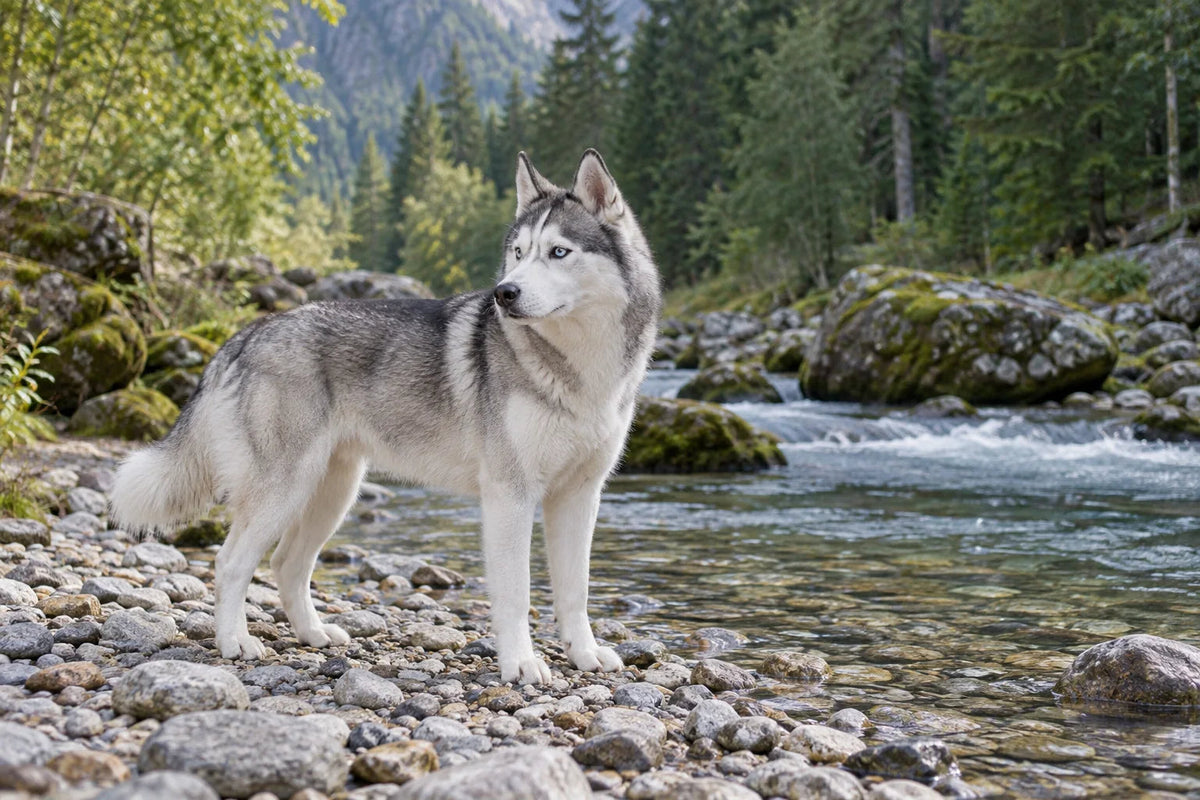
A Siberian Husky shedding its undercoat can make an ordinary room look like a grooming salon. The amount of hair is striking, but removing the body coat is not the answer. The useful task is to help released hair come away comfortably while preserving the natural coat.
Manage the shed; keep the jacket. Use short, gentle sessions and complete drying. A routine body shave is not a shortcut for Husky maintenance.
Understand a changing coat
The Siberian Husky Club's coat description explains the medium-length outer coat and soft dense undercoat. It notes that reduced undercoat during shedding is normal. A dog need not look equally full-coated throughout the year.
The AKC Husky profile recommends regular brushing with extra attention to released undercoat. Coat condition, household environment and the individual dog should guide how often you work.
Separate loose tufts gently with your fingers. If hair is firmly attached or the skin moves with it, do not pull harder. Packed or felted coat needs assessment rather than an attempt to tear it apart.
Divide the dog into manageable sections
- Start on a secure non-slip floor with the dog comfortably settled.
- Inspect the shoulders and sides for dirt or sore areas.
- Brush a small section using a suitable tool and light pressure.
- Clear the tool frequently so you can judge resistance.
- Give the chest, thighs and rear coat their own checks.
- Pause before the dog becomes restless or the skin looks irritated.
You can work on one side now and the other later. The session does not fail because hair is still coming out when you stop. Trying to collect every possible hair encourages overbrushing.
Ask a groomer to demonstrate any rake or de-shedding tool. It should release loose coat without scraping the skin or cutting through attached outer hair. Tool pressure matters more than how impressive the pile looks.
Check dense areas rather than only the back
The coat around the neck and thighs can need more attention than the smoother-looking sides. Part the hair to see its depth. Check beneath a collar or harness, especially after the equipment has been wet.
A VUNRO combination comb can help check clear longer sections after brushing. Start with wider teeth and use it only where it passes freely. It is not a tool for forcing through packed coat.
Keep the tail in a natural comfortable position while checking its underside. Do not pull it straight or use scissors beneath a knot. Tight mats and painful areas need professional help.
Plan enough time for the whole bath
Before wetting the dog, remove loose debris and identify difficult coat areas. Get help with tight mats first. Use a secure non-slip bath setup, comfortable water and dog shampoo according to its label.
Work water through the coat rather than leaving the roots dry beneath a wet surface. Rinse the chest, belly and hindquarters thoroughly and keep direct spray away from the head.
Press out water with towels. A purpose-made dog dryer can be useful if the dog is comfortable with it, but introduce the sound gradually and use moving airflow at a comfortable setting. Avoid the face and ear openings, and supervise throughout.
Part the hair at several points before deciding the dog is dry. Surface fluff can conceal damp roots. Dry collars and bedding separately, then gently check the coat again once fully dry.
Blue Cross's bathing advice supports choosing frequency around dirt, coat and activities. A few muddy feet do not always require a full wash.
When a professional groom is worthwhile
Book help if the undercoat is packed, you cannot safely manage the bath or you cannot dry the dog thoroughly. Explain that you want natural-coat maintenance rather than a body haircut.
A groomer can also show you which tool and pressure suit your dog. That demonstration may save more effort than buying increasingly aggressive equipment and hoping it works.
Do not treat soreness, unusual patchiness or persistent irritation as a normal shed. Those changes need appropriate assessment, not a closer shave.
Maintain nails without rushing
Check all feet regularly, including any dewclaws. Exercise does not guarantee even wear. Ask a groomer to identify the safe trimming margin, particularly if the nails are dark.
The VUNRO nail grinder allows gradual smoothing for dogs that accept its sound. Keep coat hair clear of the rotating head, use brief contacts and pause to avoid heat. Stay away from the sensitive quick.
One calm foot session is more useful than a struggle to complete every nail. The everyday result should be a natural, dry, comfortable coat and feet that receive steady care.
Keep learning
More from the Blade Blog
Whippet Grooming: Gentle Coat Care and Comfortable Nails
Read the guide →
Chihuahua Grooming: Smooth Coats, Long Coats and Tiny Paws
Read the guide →