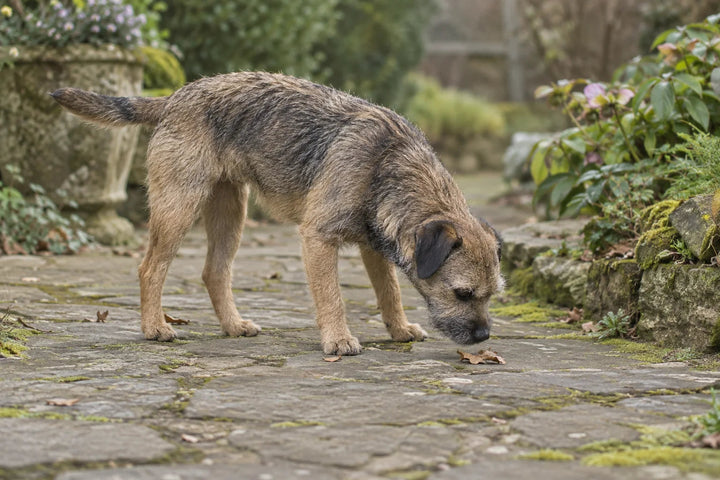
Wheaten Terrier Grooming: Soft Coats, Beards and Pet Trims

A Wheaten’s soft beard and moving, silky coat are a very different grooming project from a harsh wire-coated terrier jacket. If the name “terrier” makes you expect a quick brush and occasional tidy, the first months of coat maintenance can be a surprise.
The most useful habit is to check the coat with a comb after brushing. That simple distinction helps you spot the difference between hair that looks smooth and hair that is genuinely free to move without pulling at the skin.
Keep the soft coat manageable from root to end. A shorter pet outline can reduce the workload, but longer beard, leg and underside hair still needs regular attention.
Work with the soft, silky texture
The AKC’s Wheaten guidance recommends regular brushing followed by combing for this soft coat. Do not treat it as a harsh wire coat that automatically calls for hand-stripping. Grooming methods should preserve comfort and suit the hair present.
Look beyond the back. The beard, chest, inside of the legs and armpits can be much less accessible and more prone to missed tangles. A dog who is brushed only while standing facing away from you may have precisely those areas left unchecked.
Line brushing without a long struggle
The Wheaten club’s brushing guide describes working in small sections and following the brush with a comb. The useful principle is to maintain a visible boundary between cleared and unchecked hair, rather than repeatedly brushing whichever part is easiest to reach.
- Settle your dog securely on a non-slip surface. Choose a comfortable position without forcing the legs or rolling a resisting dog.
- Lift a narrow layer of hair and lightly brush a small section with a suitable pin brush or slicker.
- Support loose tangles near their base while easing the ends apart. Use a dog conditioning spray only as directed.
- Pass a metal comb through the cleared section. If it catches, look for the cause rather than pulling harder.
- Move methodically to the next section, remembering the other side and the underside.
Keep sessions short enough for comfortable cooperation. Tight or felted mats need a groomer’s assessment; do not slide scissors beneath them. If completing the whole coat is repeatedly beyond what you and your dog can manage, discuss a shorter trim instead of extending an uncomfortable session.
Give the beard its own routine
Long muzzle hair meets food, water and whatever the nose investigates outdoors. Check after meals and drinks, gently wipe ordinary residue and dry damp ends. Comb the beard in small sections while supporting the hair, taking care not to pull the lips.
Do not leave a small hardened food clump to become tomorrow’s knot. Equally, do not scrub the face aggressively to chase a perfectly pale colour. A shorter practical beard is worth discussing if it is constantly wet or difficult to keep clear.
The characteristic forward head hair, often called the fall, also deserves a deliberate plan. Ask a Wheaten-experienced groomer how to keep the eyes clear while retaining an appropriate outline. Precision scissoring near the eyes is not a job to improvise on a moving dog.
What to ask for at the next haircut
Explain how much brushing you can do and which areas catch first. Discuss the body, leg furnishings, beard and underside separately. An attractive outline should not depend on retaining hair that becomes tangled halfway to the next appointment.
A practical pet trim can be shorter than an exhibition finish. Ask the groomer to show you the intended length and how to maintain it. Book the next visit before the coat becomes difficult, and adjust that interval as you learn how your dog’s hair grows and behaves.
A style photograph is helpful, but tell the groomer whether it represents the shape you like or the exact amount of hair you expect. Those are different requests, and separating them often produces a much more useful result.
Prepare the coat for washing and clipping
Check for tangles before an ordinary bath and have substantial matting assessed first. Use dog shampoo according to its label, lukewarm water and a stable non-slip surface. Work with the hair rather than rubbing it into a pile, rinse carefully and blot with towels.
Dry with comfortable moving airflow if tolerated, checking beneath the legs and in the beard. A soft outer layer can feel dry while roots remain damp. Before clipping, the coat should be completely dry and freely combable. See our coat preparation guide for the full process.
Where VUNRO tools fit
The VUNRO combination comb can help check brushed sections and finish manageable hair. Use its wider spacing first; no comb should be forced through a close mat.
For owners trained in suitable body trimming, the VUNRO D-Series clipper uses D-Series blades. Select the finish and compatible attachment with guidance, and keep difficult mats, sensitive areas and detailed head work with a professional. Check nails and any dewclaws regularly as a separate task, introducing handling and nail tools gradually.
Your best measure of progress is whether the coat remains easy to separate and your Wheaten is comfortable with the routine. A shorter, well-maintained coat is more useful than a longer one that repeatedly needs rescue work.
Keep learning
More from the Blade Blog
Whippet Grooming: Gentle Coat Care and Comfortable Nails
Read the guide →
Chihuahua Grooming: Smooth Coats, Long Coats and Tiny Paws
Read the guide →