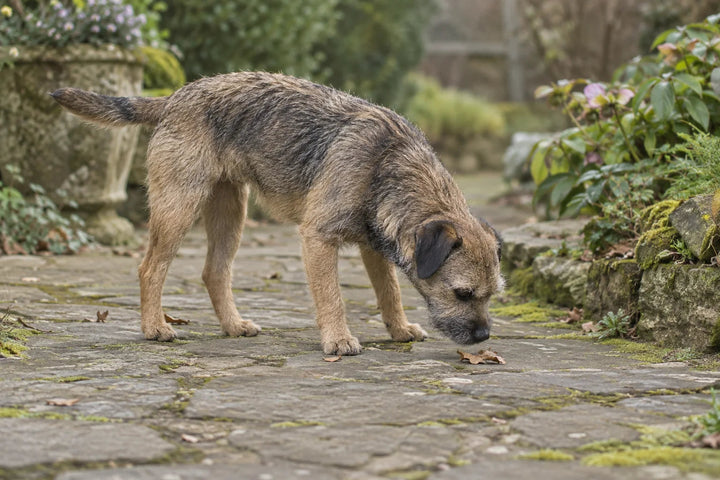
Staffy Grooming: Simple Coat Care and Comfortable Feet

A Staffordshire Bull Terrier does not need an elaborate haircut to look well cared for. The smooth coat needs gentle maintenance, while feet, nails and the areas beneath equipment deserve regular checks.
Keep the routine simple enough to repeat. A soft brush, a clean towel and calm handling can achieve more than a complicated collection of grooming products.
Keep the natural smooth coat. Brush away loose hair, clean local dirt and maintain the nails. Body clipping is not part of ordinary Staffy grooming.
Use tools that suit short hair
The AKC Staffordshire Bull Terrier profile describes weekly brushing with a suitable mitt or hound glove and occasional bathing. The coat is straightforward to maintain without aggressive scraping.
The breed profile from the Royal Kennel Club also identifies a short coat and regular grooming needs. Short hair does not mean that skin should be rubbed harder to get a visible result.
Begin on the shoulders or sides where the dog enjoys touch. Use gentle strokes following hair growth and clear loose hair from the mitt frequently. Lighten pressure around the belly, chest and legs.
Make your brushing route consistent
- Look and feel for ordinary dirt or areas that seem tender.
- Brush the shoulders and one side gently.
- Move to the other side and hindquarters.
- Check beneath the collar or harness.
- Use a soft touch on sparsely coated areas.
- Finish before repeated rubbing irritates the skin.
Do not keep brushing simply because some hair still comes away. A smooth-coated dog will still shed, and collecting every possible hair is not a useful target.
If a tool catches or leaves the skin pink, stop and reconsider it. A harsh undercoat tool or a blade scraping the surface is not an upgrade from a comfortable soft brush.
Look underneath the harness
After a wet or muddy outing, remove equipment when it is safe and inspect the coat beneath the straps. Check the armpits, chest and neck for trapped grit or dampness.
Clean and dry the harness separately. Replacing dirty equipment immediately after washing the dog can undo much of the work. Check the fit if you repeatedly notice rubbing, and get advice for sore or damaged skin.
Keep reusable towels clean too. A quick wipe should remove ordinary dirt, not transfer yesterday's grit back onto the coat.
Decide how much washing is needed
Muddy feet or a dirty lower leg may need only local rinsing and drying. A full bath is more appropriate when dirt or residue is spread through the coat.
Prepare a non-slip surface, dog shampoo and towels before starting. Use comfortable water, follow the shampoo's instructions and avoid direct spray into the face or ear openings.
Rinse underneath the chest and belly as thoroughly as over the back. Press dry with towels. If using a dog dryer, introduce it gradually, choose a comfortable setting and keep airflow moving away from the face. Supervise throughout.
Blue Cross's bathing guidance explains why frequency depends on the individual dog's coat and activities. Do not use repeated baths or perfume to hide a persistent unexplained smell.
Give the feet a proper look
Check between the toes for loose debris after walks. Keep the foot in a comfortable position, rather than pulling the leg sideways to make inspection easier.
Look at all nails, including any dewclaws. Different surfaces create different wear, so an active dog still needs checking. Ask a groomer to show you the safe trimming margin on your own dog.
The VUNRO nail grinder can smooth small amounts gradually when the dog accepts vibration and sound. Introduce it at a distance first and reward calm behaviour before attempting contact.
Use brief touches with pauses, avoid creating heat and stay clear of the sensitive quick. There is no need to complete every nail in one sitting. If you cannot judge the safe amount or handling becomes difficult, get professional help.
Notice changes without treating them yourself
Look at the accessible outer ears as part of grooming. Ordinary surface dirt can be gently cleaned, but do not insert cotton buds or tools into the canal or use a homemade cleaning mixture.
Persistent odour, discharge, soreness or painful handling needs veterinary advice. Grooming helps you notice the change; it is not a substitute for assessment.
Keep the finish understated
The coat should lie naturally, the dog and equipment should be dry, and the feet should be checked. You do not need a clipped body or a heavily perfumed finish to demonstrate that the dog has been groomed.
A consistent short routine is easier to maintain and gives the dog a familiar experience. That familiarity is especially useful when you later need to inspect a foot or work carefully around a sensitive area.
Keep learning
More from the Blade Blog
Whippet Grooming: Gentle Coat Care and Comfortable Nails
Read the guide →
Chihuahua Grooming: Smooth Coats, Long Coats and Tiny Paws
Read the guide →